🔋 Lithium Energy
The Future of Sustainable Power
Lithium energy, primarily harnessed through lithium-ion (Li-ion) and lithium-polymer (LiPo) batteries, has revolutionized modern technology. From smartphones to electric vehicles (EVs), lithium-based energy storage systems are at the heart of the global transition toward renewable and sustainable energy.
What is Lithium Energy?
-
Lithium-ion batteries: Rechargeable batteries with high energy density, long cycle life, and versatility.
-
Lithium-polymer batteries: Lightweight, flexible alternatives, ideal for compact devices.
-
Both technologies are critical for consumer electronics, EVs, and renewable energy storage.
Advantages of Lithium Energy
-
High energy density → More power in smaller sizes.
-
Long lifespan → Thousands of charge/discharge cycles.
-
Fast charging capability → Essential for EVs and portable devices.
-
Low self-discharge rate → Retains energy longer than traditional batteries.
Applications
-
Consumer electronics: Smartphones, laptops, wearables.
-
Electric vehicles (EVs): Tesla, BYD, and other automakers rely heavily on lithium batteries.
-
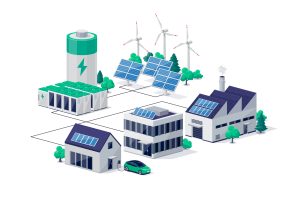
Renewable energy storage: Solar and wind systems use lithium batteries to store excess energy.
-
Grid-scale storage: Stabilizing power supply in smart cities.
Challenges
-
Thermal instability → Risk of overheating and fire.
-
Material scarcity → Lithium mining raises environmental concerns.
-
Recycling inefficiencies → Current recycling methods are costly and limited.
Future Innovations
-
Solid-state batteries: Safer, more efficient alternatives.
-
Advanced recycling: New techniques to recover lithium and cobalt.
-
Alternative chemistries: Sodium-ion and magnesium-ion batteries as potential substitutes.
-