🌞 Silicon Wafers in Solar Panels
Silicon wafers are the foundation of modern solar panels, enabling the conversion of sunlight into electricity through the photovoltaic effect. Over 90% of solar panels worldwide rely on silicon wafers due to their efficiency, durability, and scalability
What is a Silicon Wafer?
-
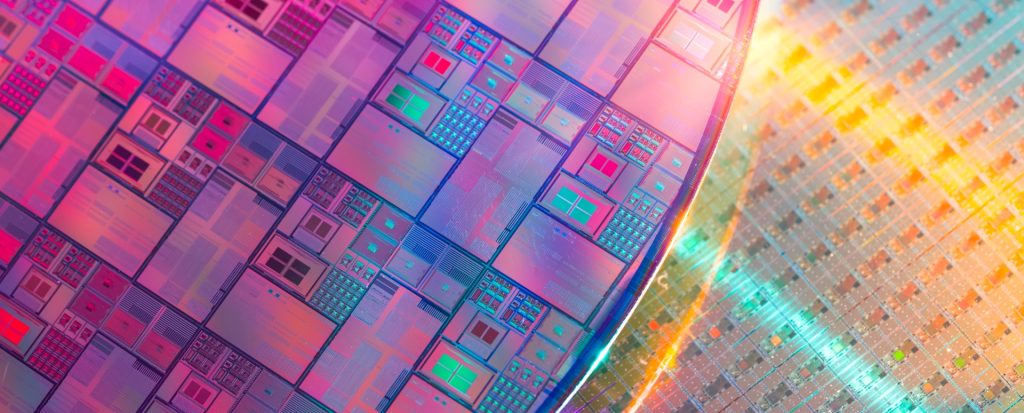
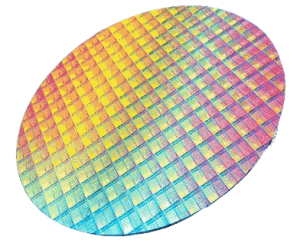
A silicon wafer is a thin, circular slice of high‑purity crystalline silicon.
-
It acts as a semiconductor base for solar cells, microchips, and integrated circuits
- In solar panels, wafers are doped with materials to form a p‑n junction, which generates electricity when exposed to sunlight
Types of Silicon Wafers
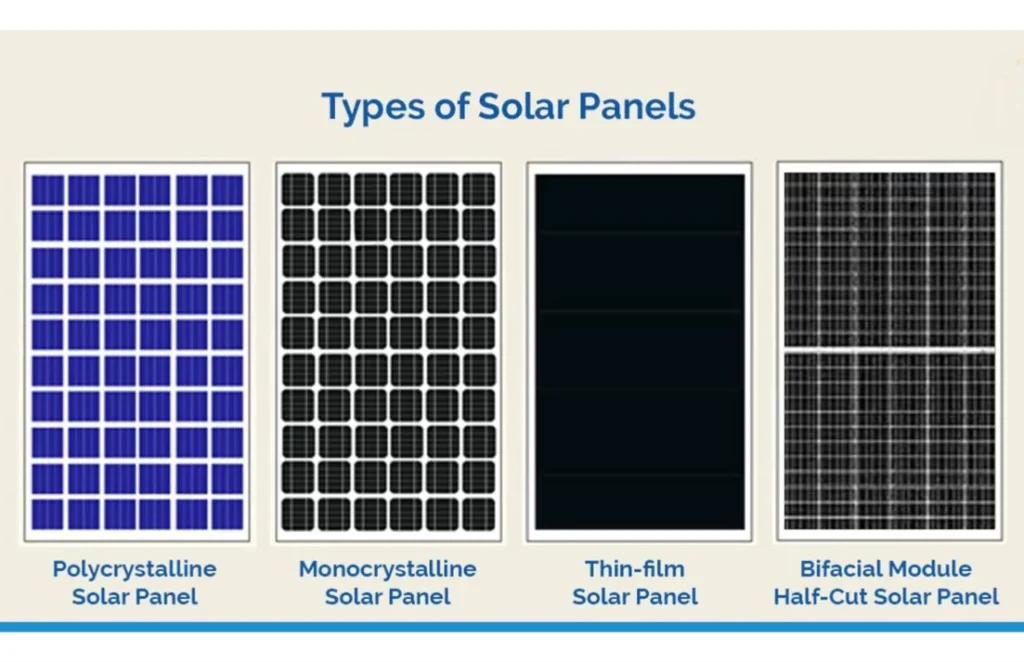
| Type | Description | Efficiency | Cost |
|---|---|---|---|
| Monocrystalline | Made from a single crystal | High (18–22%) | Expensive |
| Polycrystalline | Made from multiple crystals | Moderate (15–18%) | Affordable |
| Thin‑Film (alternative) | Uses non‑wafer materials | Lower | Very cheap |
Manufacturing Process
-
Raw Material Extraction – Silicon is derived from quartz or sand.
-
Purification – Impurities are removed to achieve solar‑grade silicon.
-
Crystal Growth – Large ingots of monocrystalline or polycrystalline silicon are formed.
-
Wafering – Ingots are sliced into thin wafers using diamond saws.
-
Polishing & Doping – Surfaces are smoothed and doped with boron/phosphorus.
-
Cell Assembly – Wafers are connected into solar cells, then integrated into panels
Advantages of Silicon Wafers
-
High Efficiency: Converts sunlight effectively into electricity.
-
Durability: Lifespan of 25+ years.
-
Scalability: Suitable for residential, commercial, and industrial solar projects.
-
Proven Technology: Backbone of the global solar industry